In the heart of Naples, where tailoring is not just a craft but a cultural inheritance, Orazio Luciano built a name synonymous with understated elegance and artisanal craftsmanship. Founded in 1992, the house grew from the personal vision of its founder, Orazio Luciano—a master tailor shaped by years of experience within Italy’s most prestigious sartorial houses, including Kiton and Isaia, where technical and stylistic disciplines were ingrained early in his craft. Before establishing his own atelier, Luciano honed the techniques and methods that would later define his own work.
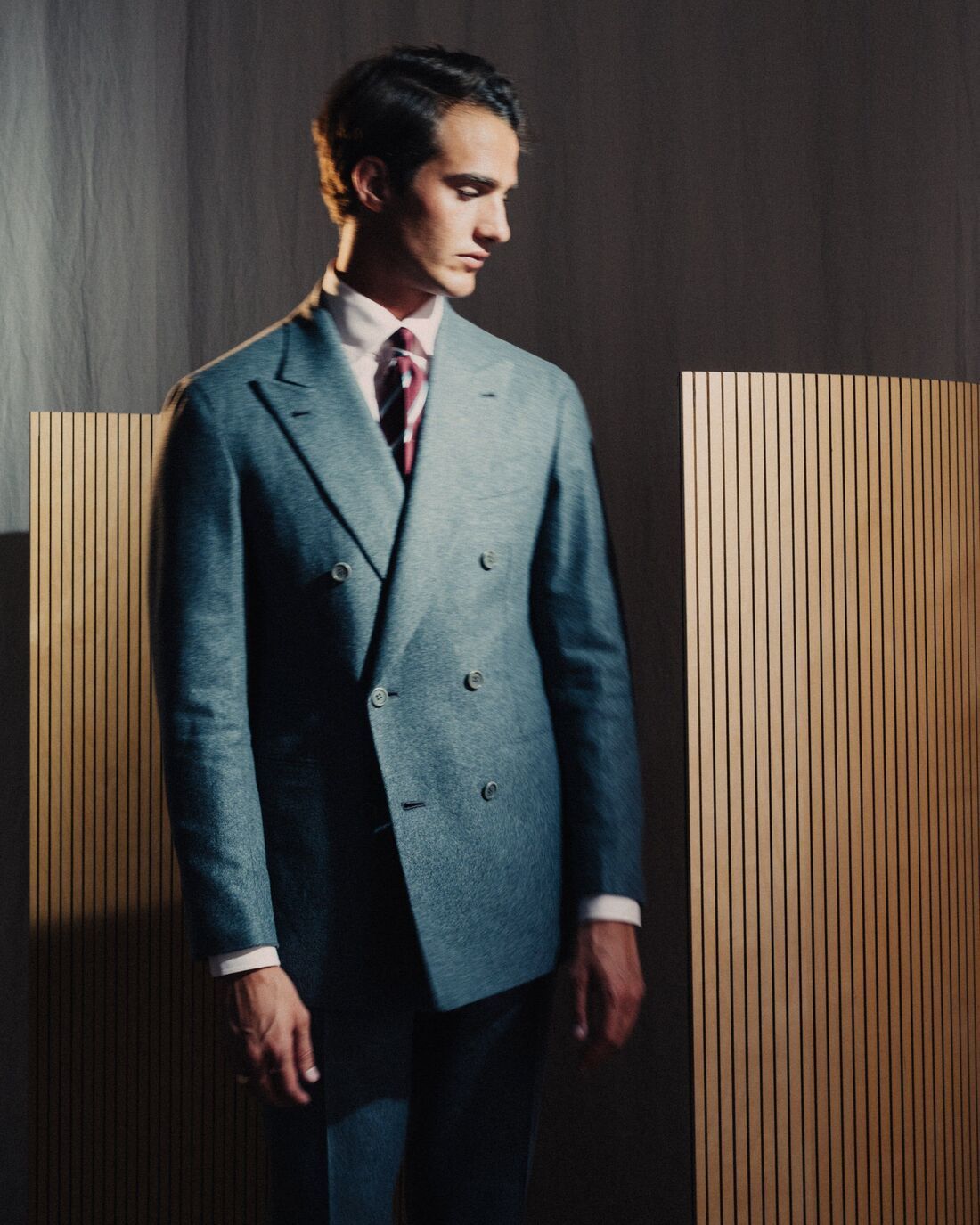
Naples has long been celebrated for its distinctive tailoring tradition: soft shoulders, light construction, and garments designed to move naturally with the body. Luciano embraced these principles wholeheartedly. His jackets were unstructured yet precise, expressive yet restrained. Every stitch reflected the Neapolitan philosophy that clothing should feel as comfortable as it appears elegant.
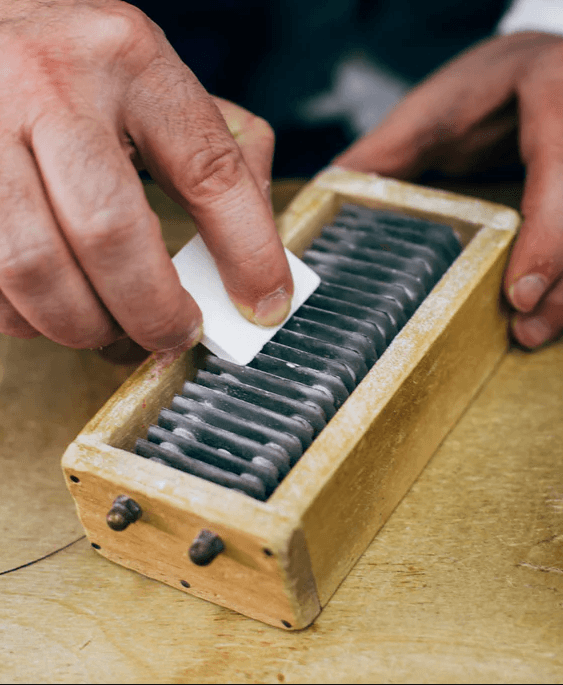
From the beginning, Orazio Luciano focused on bespoke tailoring, crafting each garment by hand for clients who valued individuality and timeless style. Suits were made to measure, shaped by the wearer’s posture, movement, and personality. This deeply personal approach quickly earned the atelier a reputation for excellence—not through conspicuous branding, but through quiet word of mouth among discerning dressers.
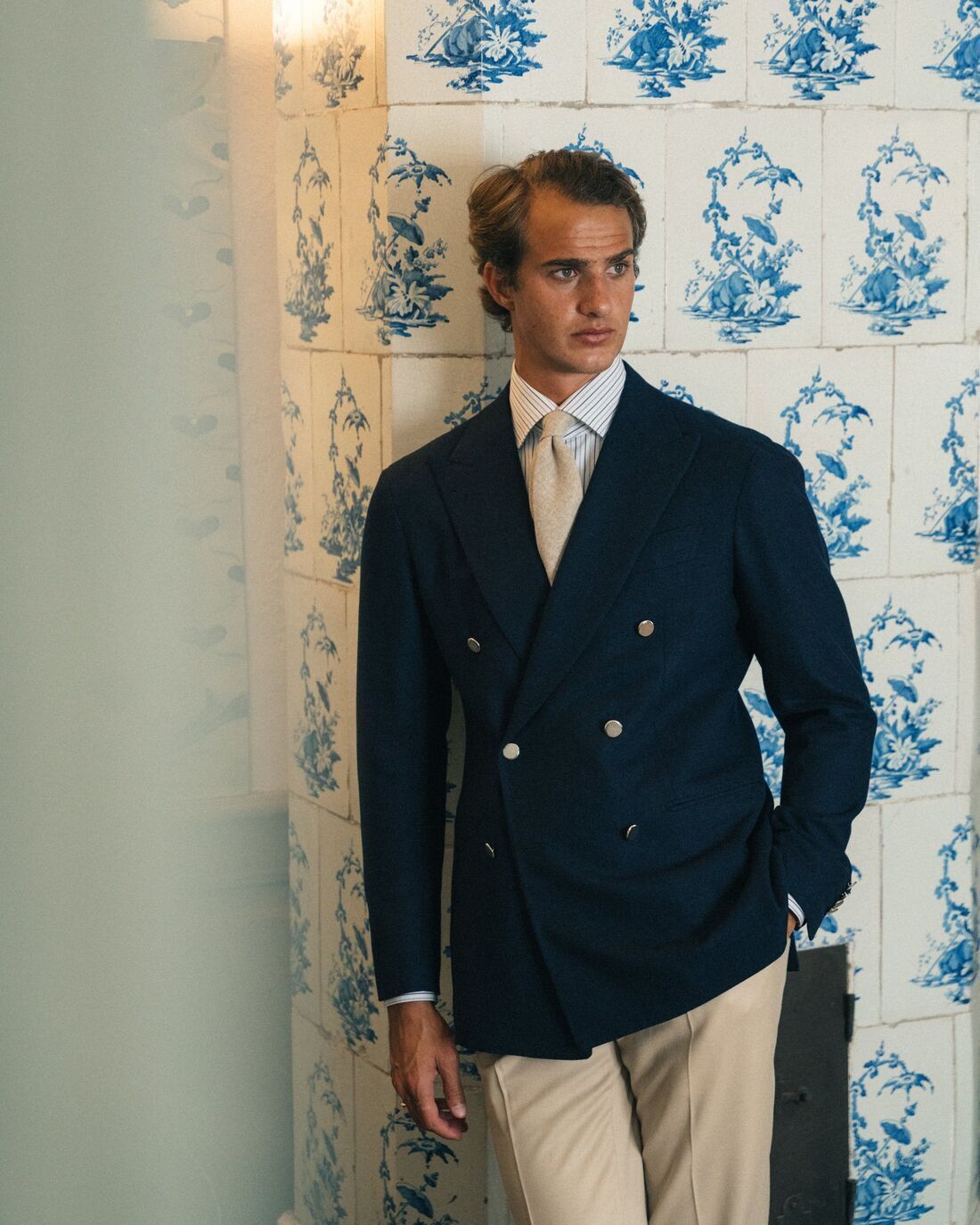
As the house evolved, a new chapter began with the involvement of Pino Luciano, Orazio’s son. Bringing a contemporary sensibility to the brand, Pino helped shape its aesthetic without abandoning its roots. He refined the silhouettes, introducing a cleaner, slimmer line while preserving the soft structure that defines Neapolitan tailoring. Under his guidance, Orazio Luciano expanded beyond bespoke into made-to-measure and ready-to-wear collections, offering broader access to the house’s hand-crafted garments.
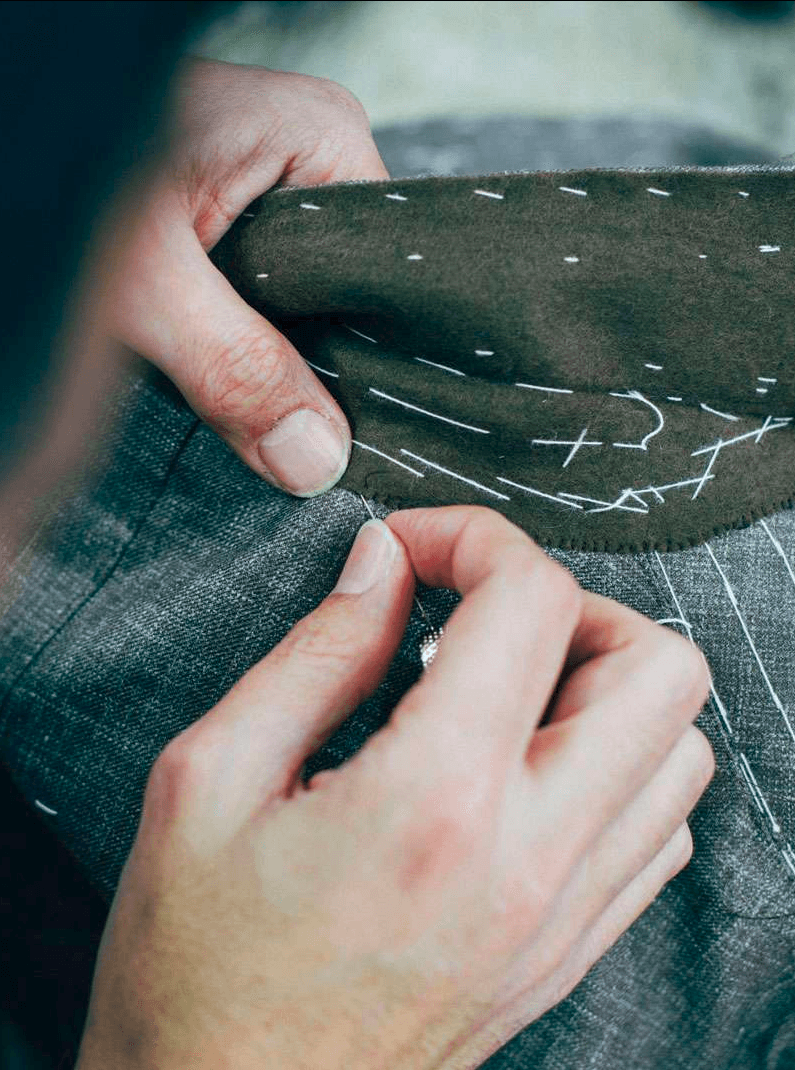
Despite this growth, production remained firmly rooted in Italy. Garments continued to be made entirely by hand by skilled artisans using traditional techniques—hand-stitched lapels, natural shoulder lines, and lightweight canvassing. The emphasis was never on scale, but on quality, consistency, and authenticity.
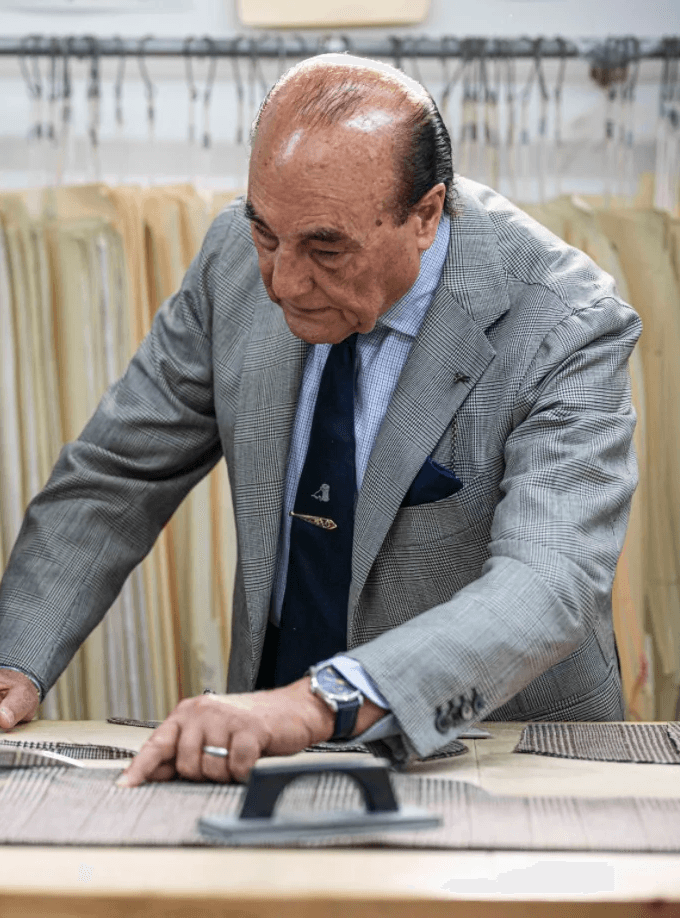
Today, Orazio Luciano stands as a bridge between tradition and modernity. Its garments speak the language of classic Italian tailoring while remaining relevant in contemporary silhouettes. The philosophy remains unchanged: clothing should enhance the wearer, never overpower them. Elegance, for Orazio Luciano, is never forced—it is not about reinventing tailoring, but about preserving its essence.